Los Angeles video art legend Ulysses Jenkins dies at 79
Ulysses Jenkins was a trailblazing figure in Black video art who began his career as a painter and muralist in Los Angeles in the 1970s.


Ulysses Jenkins was a trailblazing figure in Black video art who began his career as a painter and muralist in Los Angeles in the 1970s.
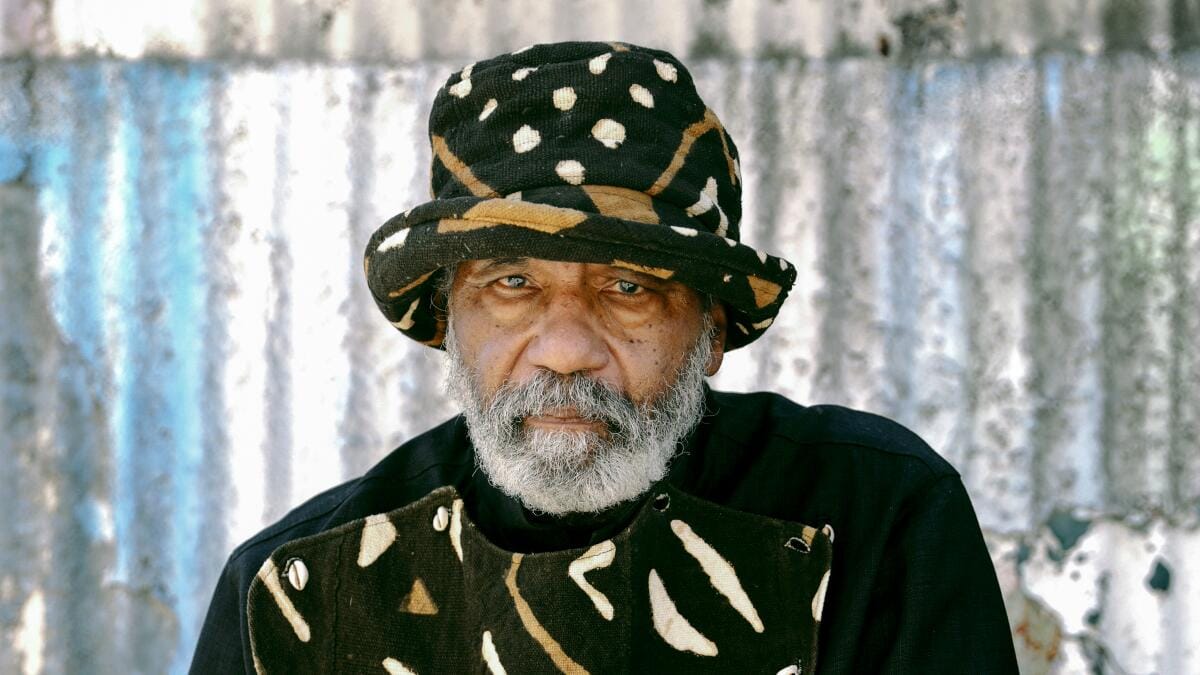
Ulysses Jenkins, muralist, performer and legend of video art, has passed away at 79. His demise was confirmed by the Hammer Museum in Los Angeles. Jenkins gained renown in the visual arts world for his lifelong examination of the connective and destructive potential that mass media possesses and the impact that it has in shaping racial and cultural perceptions.
Jenkins was born in Los Angeles in 1946 at a time when technological advancements were gradually accelerating. His fixation with television and movies began in his childhood, motivated by the wonder of seeing Black Americans on screen. From this early encounter with mass media, Jenkins astutely observed its negative portrayals of the Black community.
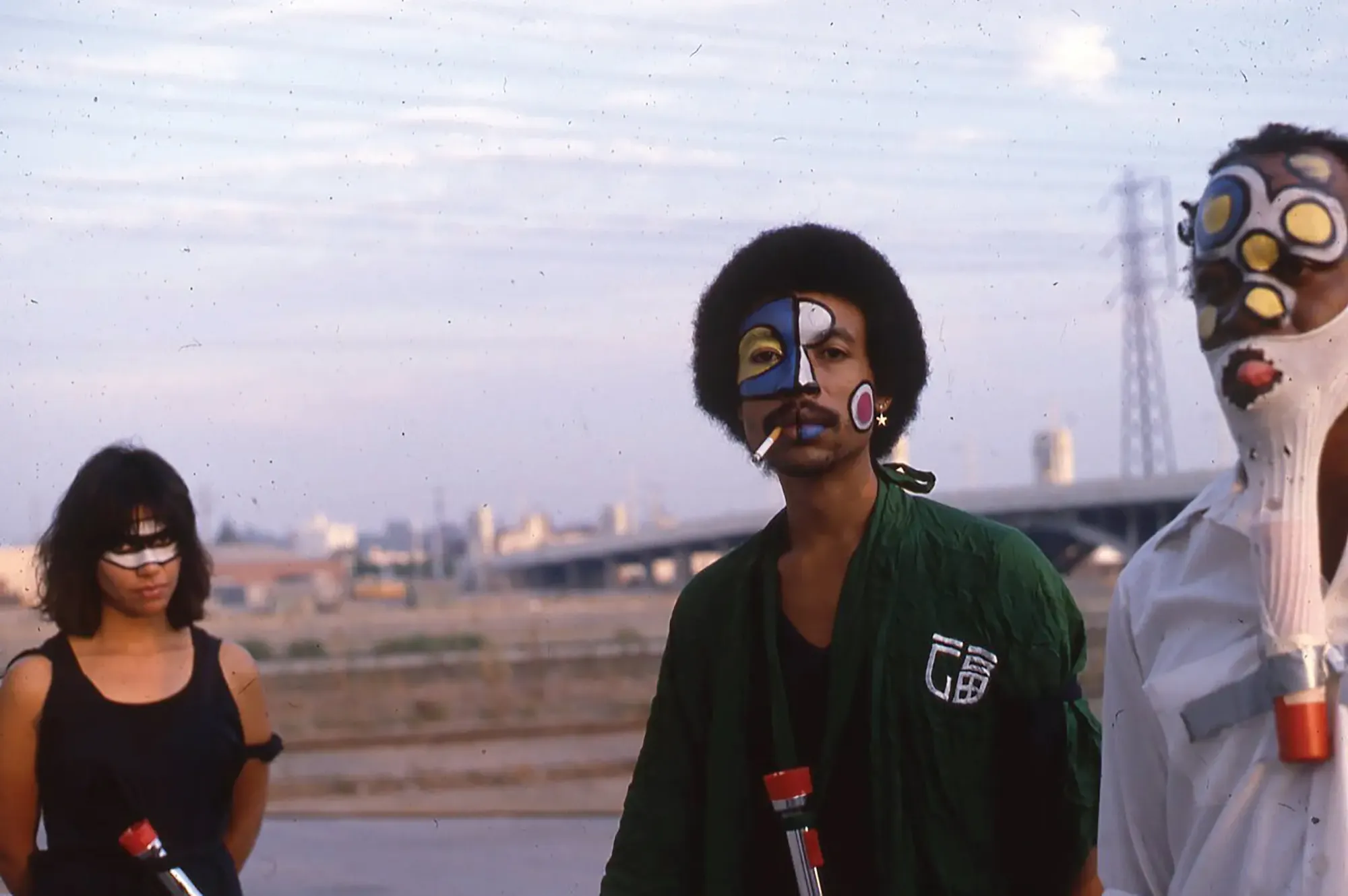
Otis Art Institute, where Jenkins was an alumnus, issued a statement on the occasion of Jenkins’ demise, describing him as a “trailblazing figure in Black experimental video, he was widely recognized for works that used image, sound, and cultural iconography to examine representation, race, gender, ritual, history, and power.”
While at Otis College, Jenkins studied under the tutelage of Charles White, an influential professor and artist who interrogated the corrosive effects that racist imagery had on interracial relations. White's research into this topic and experience helped Jenkins formulate the direction of his own creative philosophy. In Jenkins’ own words, as conveyed in the Los Angeles Times: “Early video art was about the problems with the media that we are still having today: the notions of truth. To that extent, early video art was a construct that was anti-media ... a critical analysis of the media that we were viewing every night.”
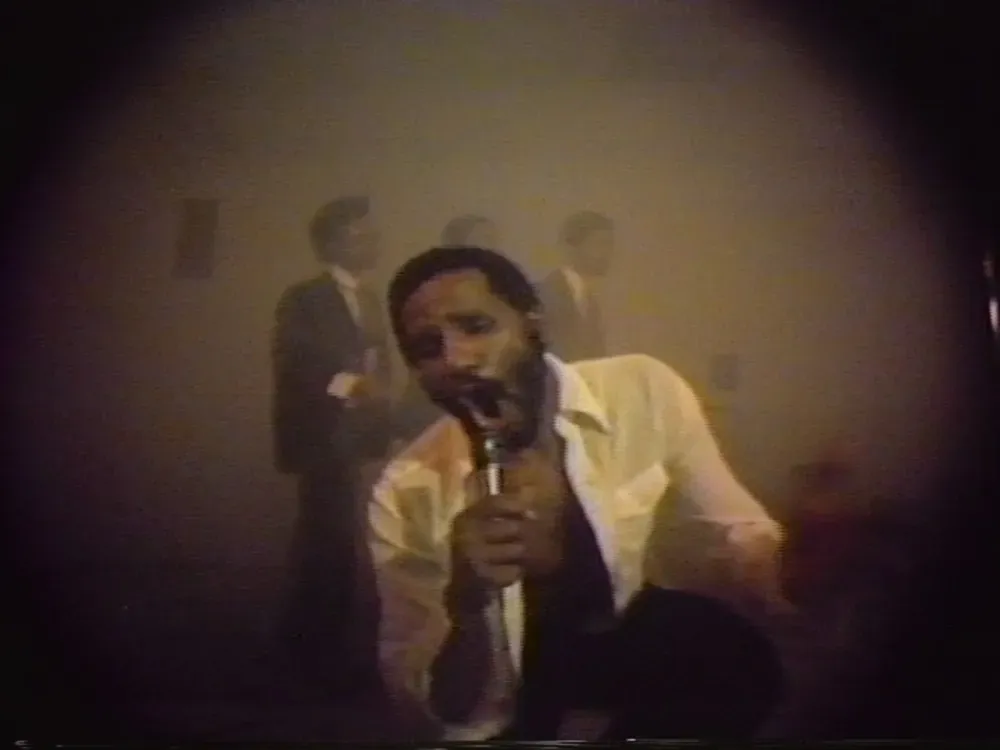
Jenkins began his career as a painter and muralist, gradually shifting to video art when the first consumer cameras became available to the public. He was quick to adopt the new medium, using it as a tool to shatter the mainstream narratives about Black communities and to broadcast alternative images that depicted Black and other cultures unburdened by dominant cultural interpretations. Jenkins showed his work in group exhibitions such as the agenda-setting show Soul of a Nation: Art in the Age of Black Power at Tate Modern in London in 2017; and also at Whitney Museum in New York, Videobrasil in Sao Paulo, Musuem of Modern Art in New York and many more.
A major retrospective at Hammer Museum in Los Angeles in 2022, co-presented with Institute of Contemporary Art at University of Pennsylvania, titled Ulysses Jenkins: Without Your Interpretation, showcased Jenkins’ video works and works in other mediums, whose prescient engagement with alternative depictions of Black and Native American cultures was instrumental in shaping the creative orientation of many contemporary visual artists in the United States. Jenkins’ work is replete with political and social commentary that retains its relevance even in today's context. In the words of Erin Christovale and Meg Onli, the curators of his retrospective, Jenkins “...knew that being shaped by images can be unsettling, and not always in ways that we can control.”
In their memorial note, Christovale and Onli summarize the impact that Jenkins had on people around him and his approach to art as such: “Many in Los Angeles will miss him for the steadiness of that presence, as an artist who kept showing up, kept making, and kept insisting that experimental work could belong to everyday life.”