Oliver Fuke and Goldsmiths CCA know where your brains are
Oliver Fuke from Goldsmiths Centre for Contemporary Art discusses the exhibition of work by the video collective Paper Tiger Television.


Oliver Fuke from Goldsmiths Centre for Contemporary Art discusses the exhibition of work by the video collective Paper Tiger Television.
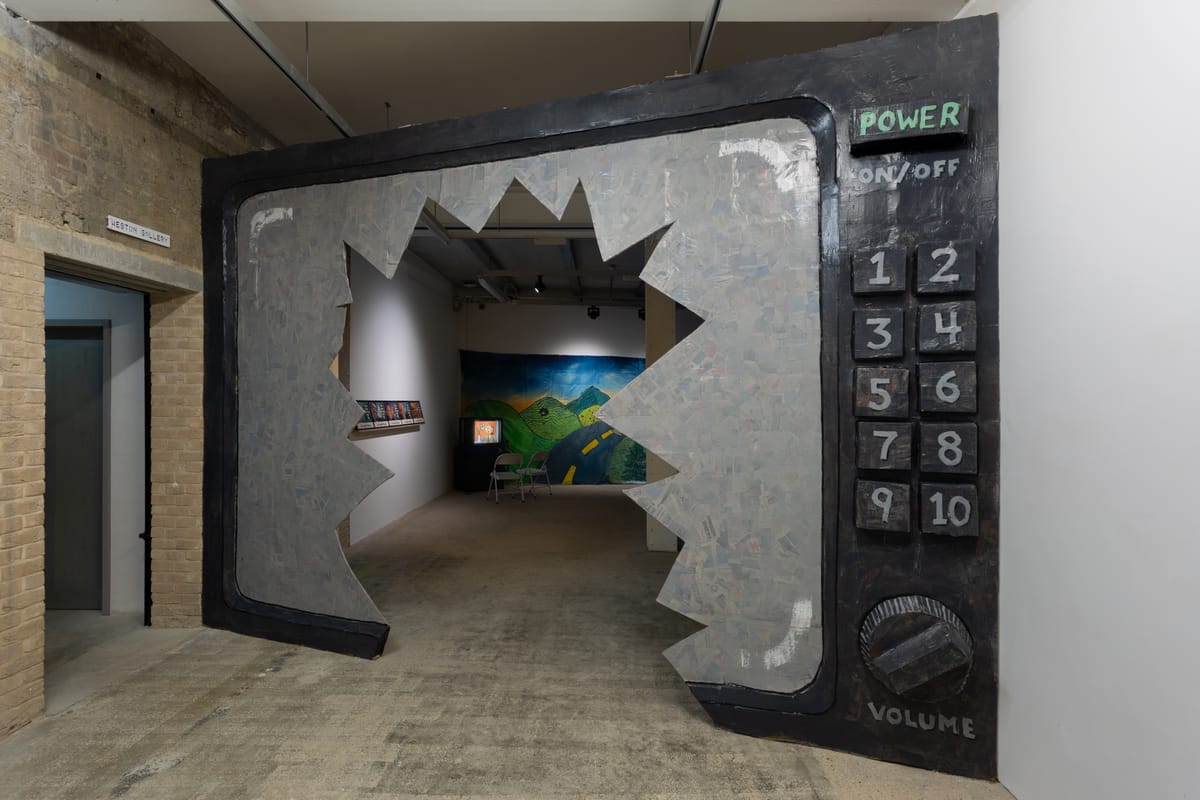
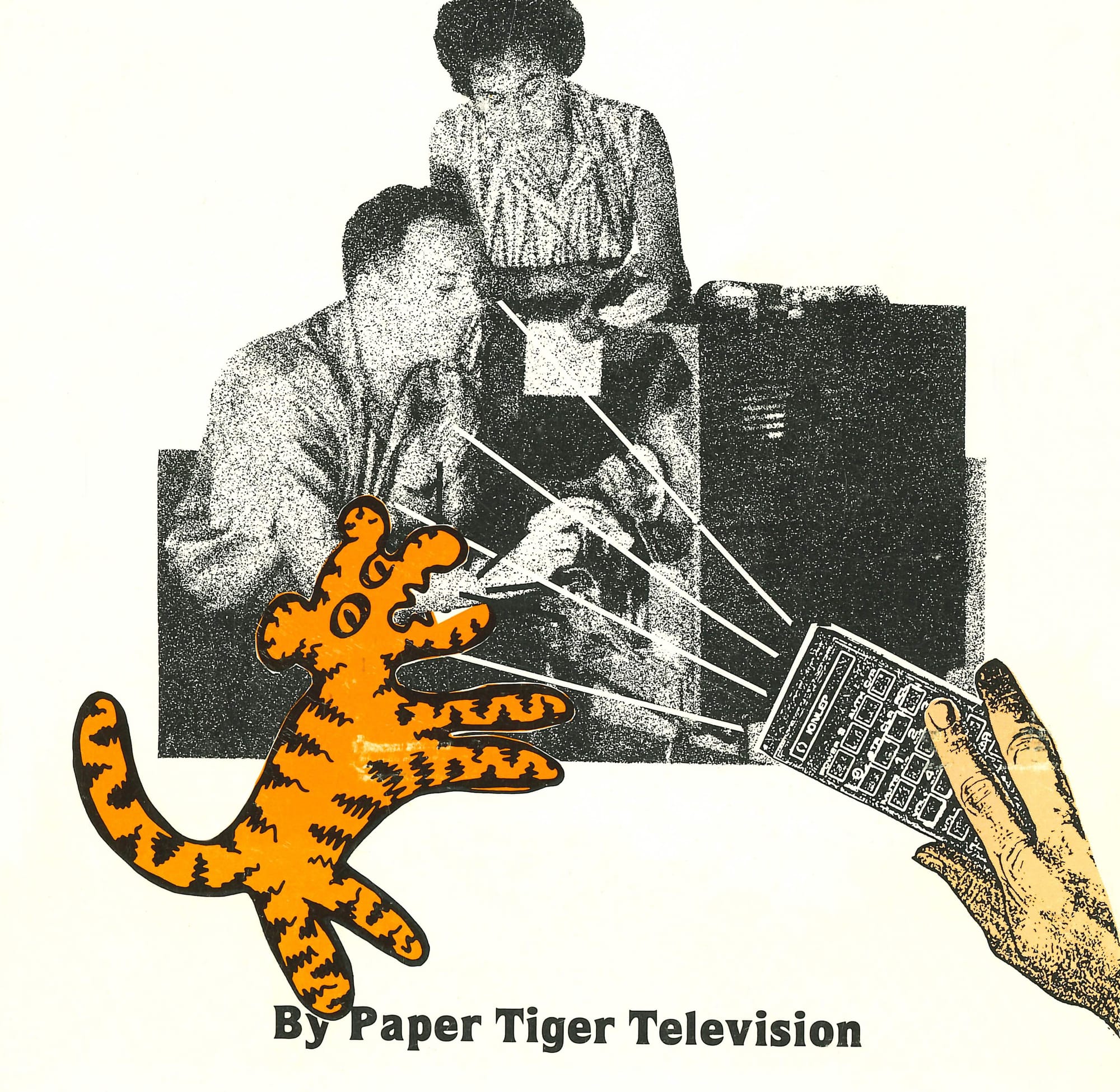
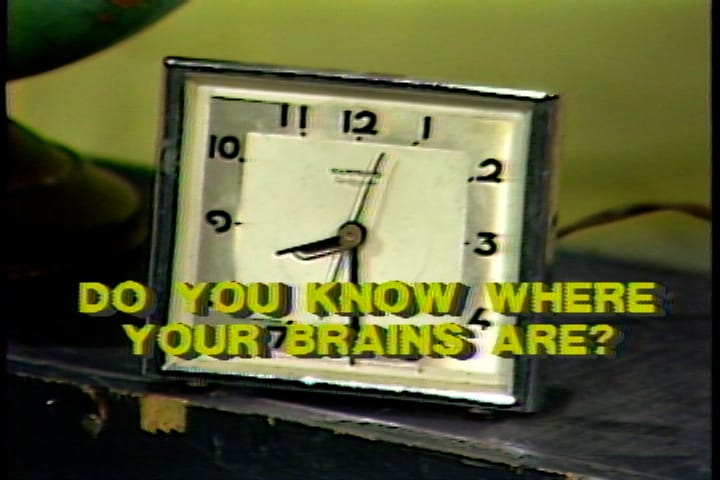
Goldsmiths CCA in London recently organized the first exhibition in the UK to present the work of Paper Tiger Television, titled It’s 8:30. Do you know where your brains are? Paper Tiger Television is a US-based video production and distribution collective that was primarily active in the 1980s. PTTV made close to 400 programs for public access television, a concept that arose when cable operators negotiated coverage with local municipalities and provided a few channels for public use in return.
PTTV shows usually included an invited commentator – artists, activists, theorists, and political scientists – presenting a critical reading of a specific text. Among the participants were Martha Rosler, Peter Wollen, Joan Braderman and other significant figures. The general aim of the collective was to analyze corporate control of the communications industry and to provide a radical alternative. According to the program notes for the exhibition, PTTV developed in the aftermath of conceptual art and experimental film, while it shared affinities with punk and early video art.
We spoke to Oliver Fuke, deputy director of Goldsmiths CCA and curator of the exhibition, about how he organized the show and about the landscape for radical media practices today.
When did you first encounter Paper Tiger Television, and what inspired you to develop an exhibition on their work?
I first encountered Paper Tiger Television in 2016 (10 years ago!), when I was curating a retrospective of Laura Mulvey and Peter Wollen’s films, titled Beyond the Scorched Earth of Counter-Cinema, for Whitechapel Gallery. Wollen made a programme with PTTV in 1985 titled Peter Wollen Reads the U.S. Press. I loved the format, that it was all obviously live, the combination of his challenging ideas and PTTV’s DIY strategies, the camera movement and zany effects, the punky feel of the whole thing. It was entertaining and instructive; it brought together loads of things that I like, which are often held apart. His peroxide blonde hair really seemed to add something to the analysis!
Anyway, I started to research them, learned about public access, and found out that they collaborated with loads of interesting people. I started to think that it could make for a really interesting exhibition. I tried to make it happen in collaboration with my friend Nicolas Helm-Grovas many years ago, but our application was rejected, sadly.
I think a persistent disappointment with legacy media provides an added impetus to doing it now: its unexamined assumptions, right-wing bias, the ways in which it manipulates viewers, but also its refusal to engage in serious intellectual conversation about almost anything. I also believe in the value and political importance of public intellectuals and desperately wish we still had people like Stuart Hall on television in the UK. That did so much for the 1980s generation.
What are some of the challenges in organizing an exhibition composed of videos that were made for broadcast television?
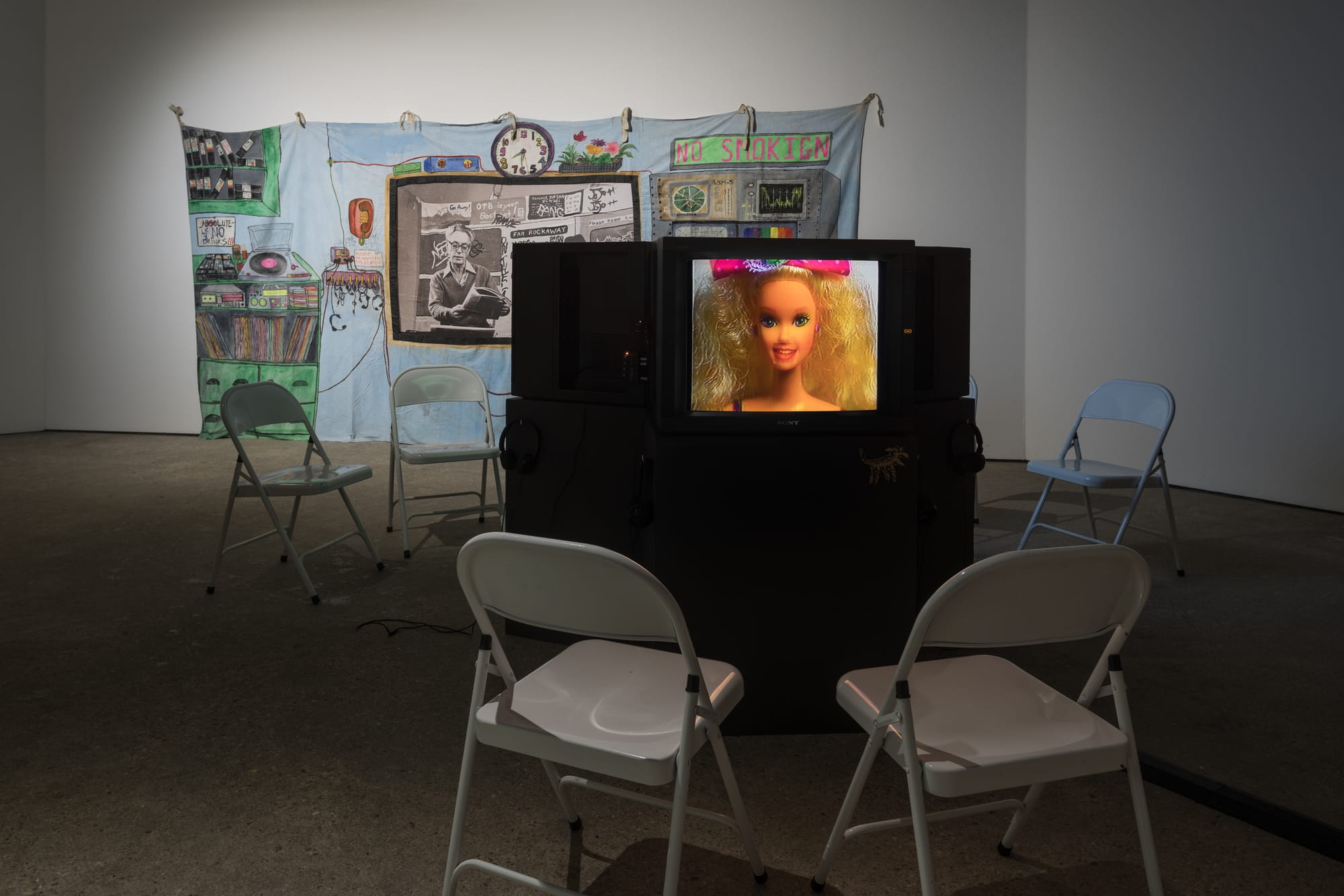
There are various technical challenges – creating an interface, so that programmes could be easily accessed was one – but I guess the biggest challenge was trying to reconstruct the historical context. The programmes were cable-cast on public access and some of their situational meaning is inevitably lost when re-presented in a gallery, but perhaps new connections might be opened up and new meanings discovered. I hope this presentation of work provides an opportunity to watch, rewatch, learn and study PTTV’s programmes. I envisage the exhibition as an opportunity for collective learning.
Do you see any modern day equivalents to Paper Tiger Television, the type of work they did and their political commitment?
I don’t know of anyone that is an exact fit, but I can think of loads of people who have amazing creative projects with incredible political commitment. As far as independent media organisations are concerned, there are obviously great people like Novara Media and Democracy Now! (with which DeeDee Halleck, founder of PTTV, was connected). I can think of many groups that do brilliant things, moving between different contexts: Forensic Architecture, The Otolith Group, Black Quantum Futurism. There are so many other people that could be mentioned, so many great artists...
What are you working on next at Goldsmiths CCA?
I am working on a new commission with a brilliant artist named Katie Shannon. Her practice moves between art, performance and event making. She also has a very interesting collaborative project with Keira Fox called TLC23.
Paper Tiger Television shows routinely ended with a cost breakdown that exposed their process and the financial realities of media production. What would a similar cost breakdown look like for Goldsmiths CCA in organizing this exhibition, and what would that reveal about exhibition-making in arts institutions?
Yes, PTTV also did that to show that anyone could make public access television. A cost breakdown for this exhibition would reveal that it was made with very limited means, the large majority being spent on hiring equipment, technicians’ labour, and artists’ fees. Itemising costs would reveal something about that mode of production; about labour, how it is valued, process; and what goes into making an exhibition.
I guess that a cost breakdown for an exhibition at a not-for-profit gallery wouldn’t tell you so much about the overall institution’s finances, however. For example, it wouldn't tell you about the other costs it incurs, the support in kind it receives, or, most significantly, how it is funded. The politics of funding has been one of the major issues facing arts institutions for a very long time.