Giant of film art Yervant Gianikian dies at 84
Gianikian's innovative approach, developed with his partner Angela Ricci Lucchi (1942-2018), redefined the relationship between archival images and film language.


Gianikian's innovative approach, developed with his partner Angela Ricci Lucchi (1942-2018), redefined the relationship between archival images and film language.
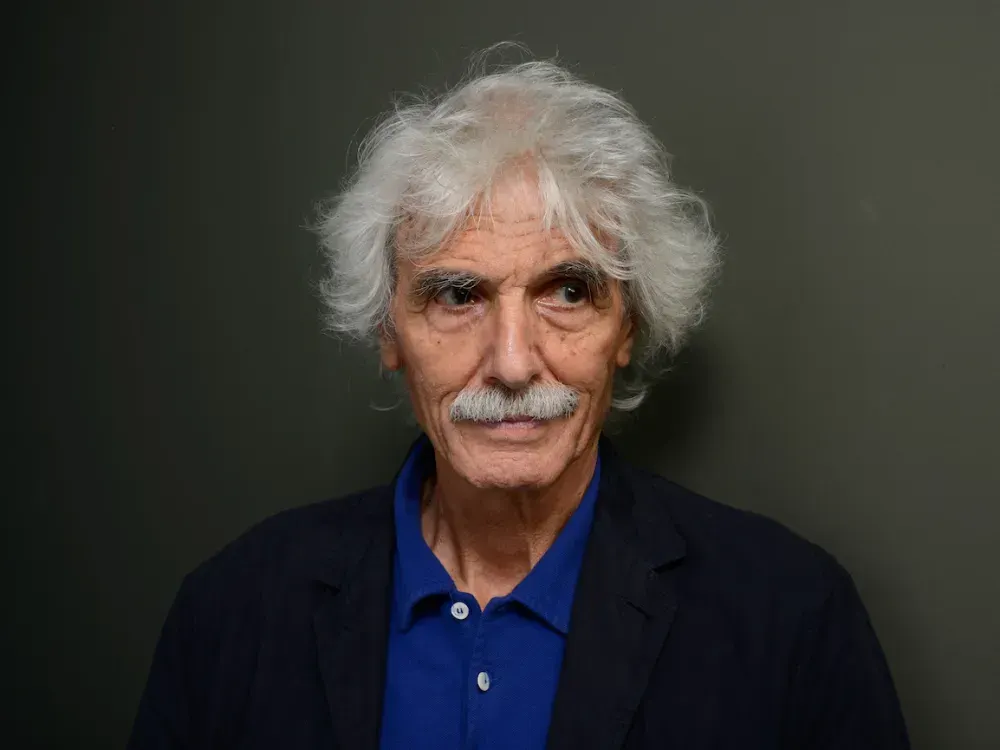
Yervant Gianikian, an Italian film artist of Armenian descent, passed away at his residence in Milan at the age of 84 on July 3. Widely considered to be a pioneer of experimental film, his innovative approach, developed in tandem with his creative and life partner Angela Ricci Lucchi (1942-2018), redefined the relationship between archival images and film language, which introduced a new dynamic in how the past is critically utilized to reassess and interrogate the present.
Born in Merano, Italy in 1942 to an Armenian father who had sought refuge in the country after surviving the Armenian genocide in the Ottoman Empire, Giankian's cinematic vision was profoundly informed by this family experience, which engendered in him a deep sensitivity to themes of historical memory, persecution and suffering, and collective tragedies. Initially trained as an architect at the Armenian College in Venice, Gianikian turned his attention to filmmaking in the mid-1970s when, in collaboration with Ricci Lucchi, he embarked on a path of exploration that creatively reused and reinterpreted archival footage. In the pair's work they addressed some of the most violent episodes of contemporary history – from the First World War to European colonialism, from the Balkan Wars to the consequences of political violence – evolving a method which combined historical research, anthropological reflection, and formal experimentation.
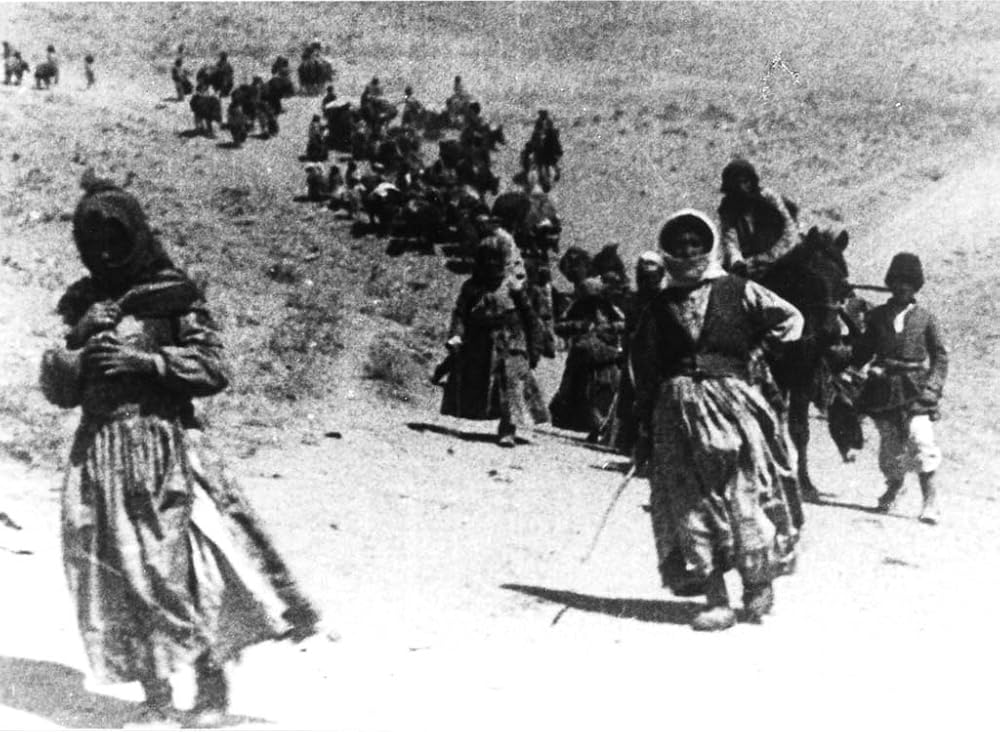
Over the course of their careers, Gianikian and Ricci Lucchi gained renown and recognition for landmark works such as From the Pole to the Equator (1986), Men, Years, Life (1990), Prisoners of War (1995), Balkan Inventory (2000), Oh! Man (2004), Pays Barbare (2013) and others. Their works were featured at film festivals and in prominent international museums, including a career retrospective at Hangar Bicocca in Milan in 2012 and a presentation at documenta 14 in Kassel.
Gianikian and Ricci Lucchi participated in the Venice Biennale in 2001, 2013, and 2015. They were awarded the Golden Lion for Best National Participation for the Armenian Pavilion at the Biennale in 2015. Films by the artist duo are included in the collections of major institutions, such as: Museum of Modern Art in New York; British Film Institute in London; Cinémathèque Française in Paris; Eye Filmmuseum in Amsterdam; and the Cinémathèque in Canberra.
Gianikian's demise represents a significant loss for an earlier generation of experimental film practitioners. View one of the final pieces the duo made together, a commission from Centre Pompidou in 2015, here.