Onyeka Igwe confronts colonial legacy at the Secession
Two of Igwe's video works tracing the aftermath of British colonialism are on view on the first floor gallery of the Secession in Vienna.


Two of Igwe's video works tracing the aftermath of British colonialism are on view on the first floor gallery of the Secession in Vienna.
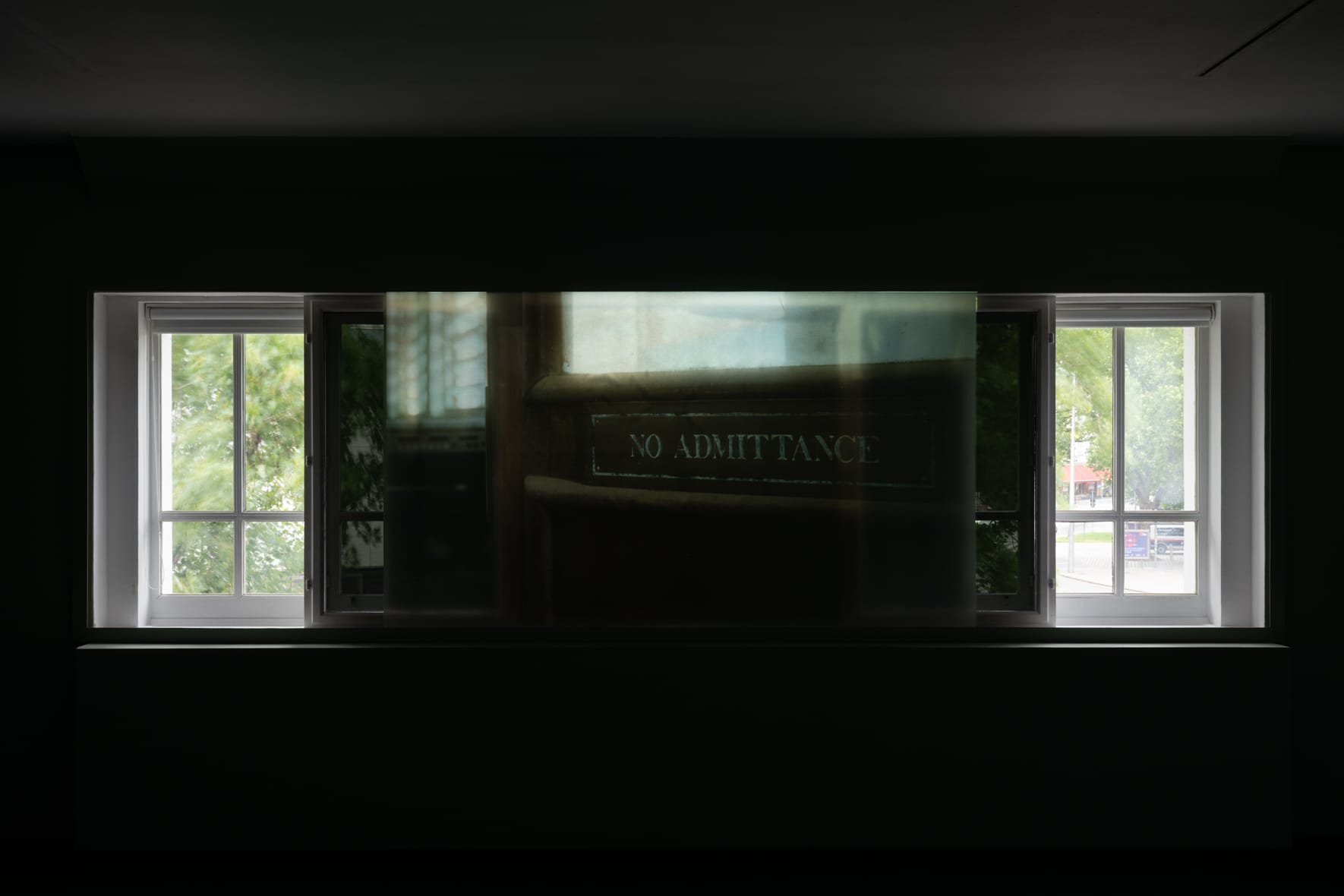
Secession in Vienna is currently showing No Archive Can Restore This Chorus of (Diasporic) Shame, a solo exhibition of work by Onyeka Igwe. Centered around the premise that colonial archives are not static repositories, but rather nexuses of friction, opacity and unresolved violence, Igwe's films and installations at Secession probe into those elements which have remained unsaid, suppressed, or rendered inaudible.
Two video works – both integral components of the installation No Archive Can Restore This Chorus of (Diasporic) Shame (2024/26) – are on full display on the first floor gallery of the Secession, unfolding side by side and complementing each other's messages. Jeanette Pacher, who curated the exhibition, decided to project the two videos on the windowfront, permitting the moving image to blend with the surrounding architecture, imbuing the surrounding space with the film's sonic and visual elements.
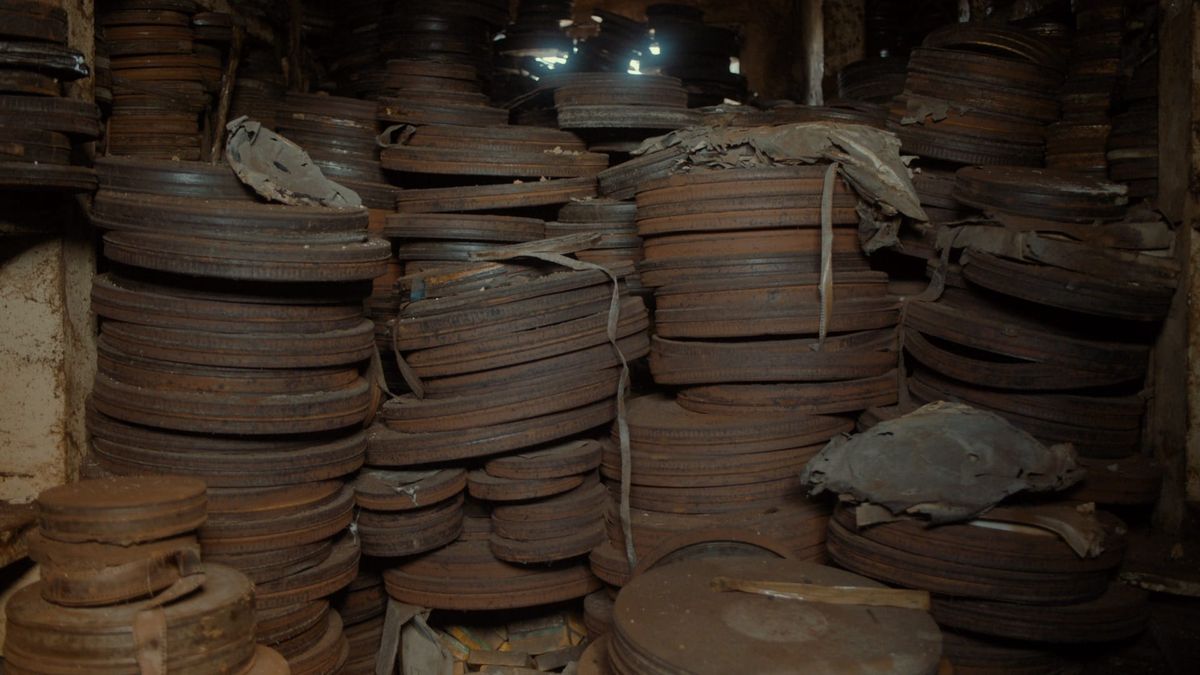
Igwe traces the aftermath of British colonialism in Nigeria by reactivating materials – celluloid reels, visual records of colonial bureaucracy – that were found in the abandoned site of the Old Film Unit (formerly the Nigerian Film Unit), which served as the main propaganda outpost for the colonial administration. Material degradation and an underlying reluctance to confront the content of these images has made them nigh inaccessible. Instead of salvaging them, Igwe constructs an oblique narrative that starts from shots of the Old Film Unit's exterior and interior, then gradually shifts to a new video composed of testimonies, field recordings and archival fragments gathered from across the United Kingdom and Nigeria.
Accompanying the main film is a lightbox installation called anomalies and cobwebs (2026) and a video with integrated captions bearing the eponymous title of the exhibition. The latter takes sonic registers recorded on site at the abandoned archive, translating them into written captions situated within an animated spatial replica of the site. Through these works, Igwe challenges the presumption that historical narratives stored in archives are fixed, instead pointing to their inherently precarious and relative nature. The atmosphere of unease that permeates the gallery space is reflective of the affective and spatial marks that British imperial rule left on the land. Yet, these works simultaneously contain within themselves the means of dismantling this repressive legacy.
Onyeka Igwe has upcoming shows at the Barbican in London and the National Gallery in Bulawayo, Zimbabwe. The exhibition No Archive Can Restore This Corpus of (Diasporic) Shame opened at the Secession on June 12 and remains on view until 30 August 30, 2026.