Ludwig Foundation acquires The Electronic Diaries of Lynn Hershman Leeson
The Foundation's collection is on permanent loan to Austria's public museums and institutions, with Leeson's work on display at the Belvedere Museum in Vienna.


The Foundation's collection is on permanent loan to Austria's public museums and institutions, with Leeson's work on display at the Belvedere Museum in Vienna.
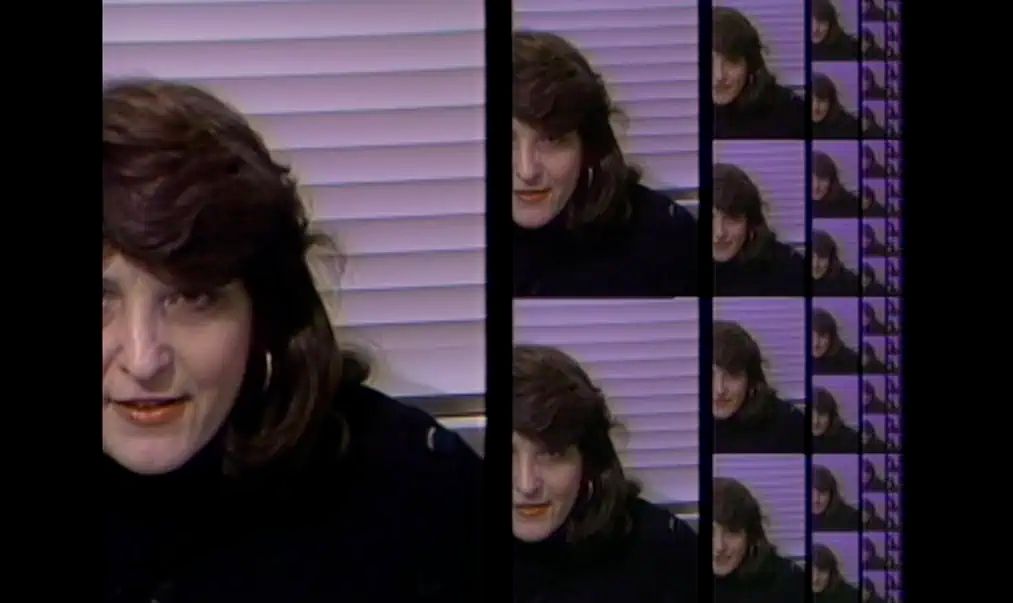
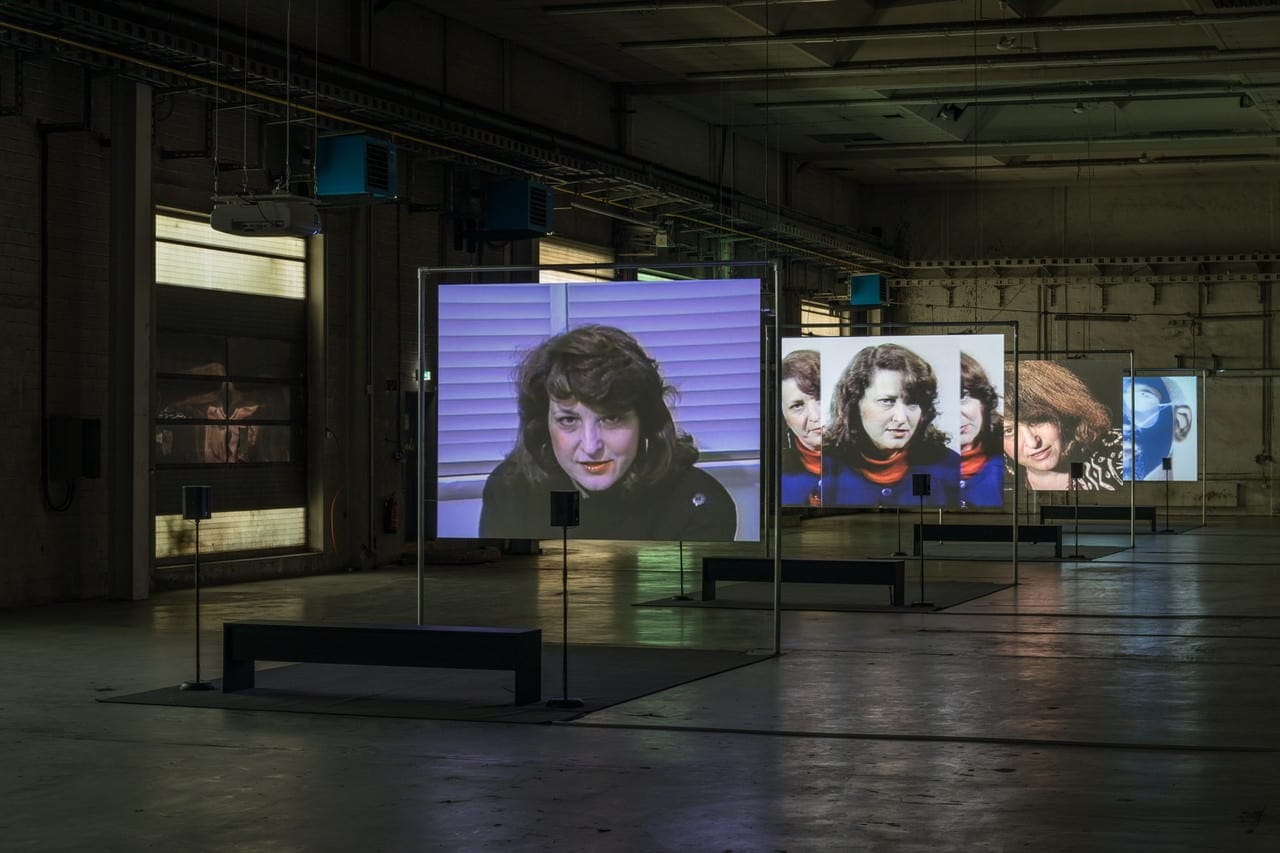
Austrian Ludwig Foundation recently announced its acquisition of The Electronic Diaries of Lynn Hershman Leeson 1984-2019, an epic six-channel video installation. The Foundation has included the installation in its permanent collection, consisting of over a 1,000 works amassed since their establishment in 1981. The collection is on permanent loan to Austria's public museums and institutions, with Leeson's work on display at the Belvedere Museum in Vienna.
Lynn Hershman Leeson is an American multimedia artist and filmmaker who has been utilizing the creative potential of nascent technologies since the 1960s to explore their impact on identity and self-perception. She has leveraged video, Videodisc (a precursor to DVD), touchscreen interfaces, and other new media forms to create installation art and performances that are interactive in nature. Her main artistic concerns revolve around feminism, race, surveillance, and artificial intelligence and identity theft through algorithms and data tracking.
The Electronic Diaries began as a secret project in which Leeson documented her innermost thoughts, with the intent of ‘reconstructing myself by talking to the video camera’ and ‘examining the foundational memories of violence and physiological harm.’ Envisaged as a diaristic document that extends far beyond the confines of its literary counterpart, The Electronic Diaries are an unflinching and at times disquieting record of the artist's life, wherein she comes face to face with such phenomena as body dysmorphia, unsated hunger, relationship breakdowns, sexual abuse and violence. By confronting these issues head on, Leeson reveals how mediated images serve as a conduit for constructing truths distilled through self-reflection.
Austrian Ludwig Foundation was established in 1981 by the Austrian art collectors Peter and Irene Ludwig. Founded as a platform through which their private art collection could be loaned out to museums and art galleries in Austria, the Foundation's aim is to increase the overall presence of international contemporary art in the country, as well as heightening the public's awareness of its sociocultural significance. A secondary aim of the Foundation revolves around activities pertaining to organizing and supporting various activities in Austria's visual arts sector.
Hoffman Donahue, the gallery which represents Leeson, was established as a merger between the eponymous enterprises of Bridget Donahue and Hannah Hoffman from New York and Los Angeles, respectively. Representing the culmination of long-term collaboration between the two, the pair are committed to supporting and promoting emerging and established artists. The gallery’s roster of 43 artists stands out for being composed of 70 percent female artists, setting it apart from most other galleries. During the course of this year, Hoffman and Donahue are developing “an arm of the gallery committed to commercial and cross-disciplinary projects”. The joint gallery's art fair debut is set for October 2026 at Art Basel Paris.
Works by Lynn Hershman Leeson are included in the collections of many important institutions, galleries and museums. Among these are: Museum of Modern Art, New York; San Francisco Museum of Modern Art, with its purchase of Leeson's Final Transformation #2 (2022), a non-fungible token; Nevada Museum of Art in Reno acquired three works in 2025; and Whitney Museum of American Art in New York purchased Lorna (1979-1984) in 2019, a work recognized as the first interactive video laser disc.
Throughout her five-decade career, Lynn Hershman Leeson has been posing difficult questions about the potential misuses and abuses of emerging technologies such as social media, artificial intelligence, smartphones and others, and how they have been instrumental in radically reshaping human relationships, societies and life around the globe. Leeson's work is currently on view in the group exhibition New Humans: Memories of the Future at New Museum in New York.