Trevor Paglen
The moving image artists that move culture → Trevor Paglen's photos, films and video installations expose hidden infrastructures.


The moving image artists that move culture → Trevor Paglen's photos, films and video installations expose hidden infrastructures.
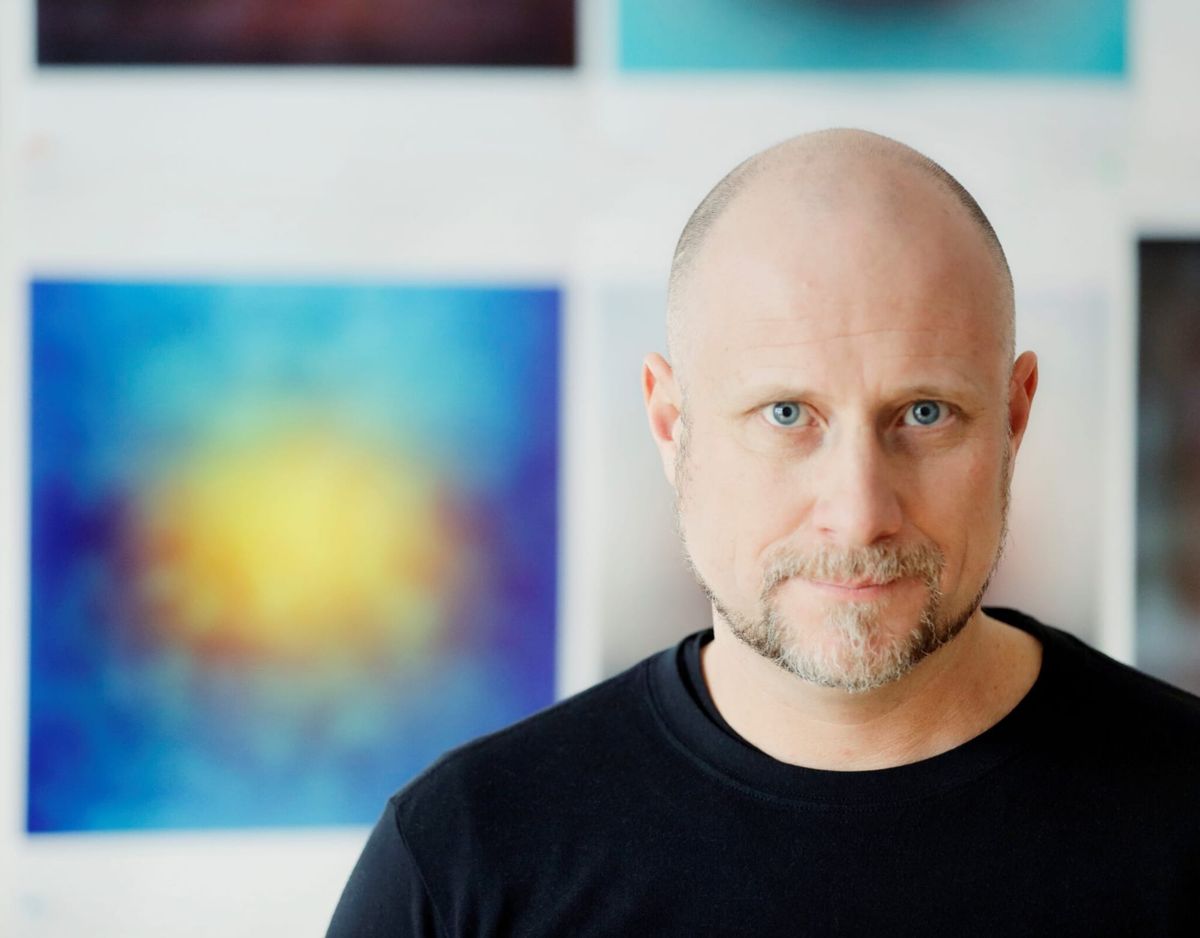
Trevor Paglen is an artist, geographer, filmmaker and author. Born in Maryland in 1975, Paglen acquired a degree in religious studies from UC Berkeley in 1998, an MFA from the School of the Art Institute of Chicago in 2002, and a PhD in geography from UC Berkeley in 2008. He resides between Brooklyn, New York and Berlin.
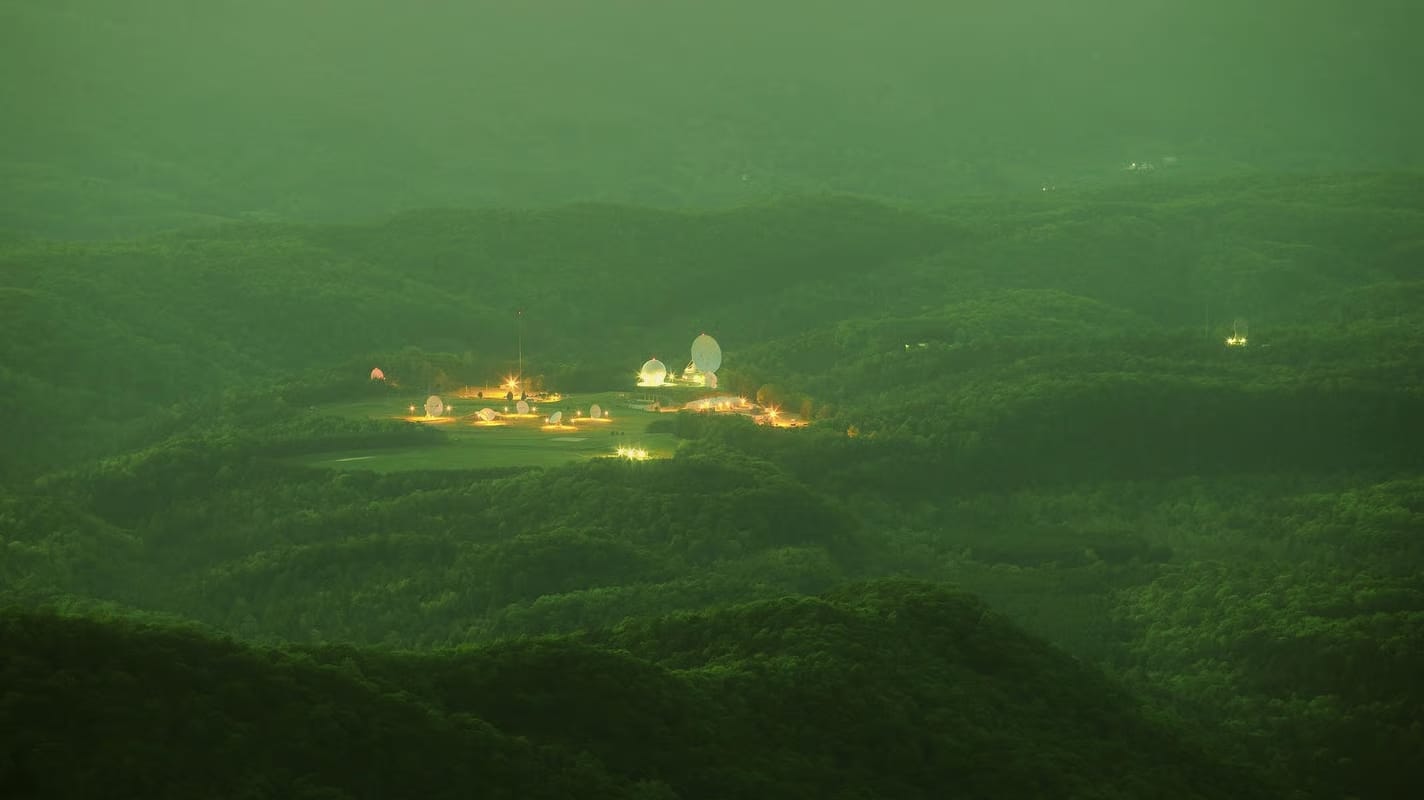
Paglen's polymathic personality, his relentless curiosity in exploring the unseen mechanisms that lurk behind what is visible and tangible, and his documentary approach to materials have been the fertile ground which have engendered ideas for his projects, and served as the lens through which he filters data. Combining his knowledge of geography and astronomy with the perceptive gaze of an investigative journalist, Paglen works to reveal objects that defy visibility, such as classified military sites, unidentified objects in orbit around Earth, and how artificial intelligence interprets and perceives image data.
Going far beyond the official and perceived uses that this hidden infrastructure is purported to have, Paglen exposes through his photos, films and video installations the many structures within our society that contribute to the deliberate twisting of information, identity, and power and brings them to the awareness of the public. He juxtaposes these notions with our own perceptions of what is true, and how this is weaponized by power structures to subject us and maintain the status quo. His works are permeated with activist intentions, which encourage the viewer to better comprehend the current circumstances that we live in, and provide a broad expanse for envisioning alternative futures.
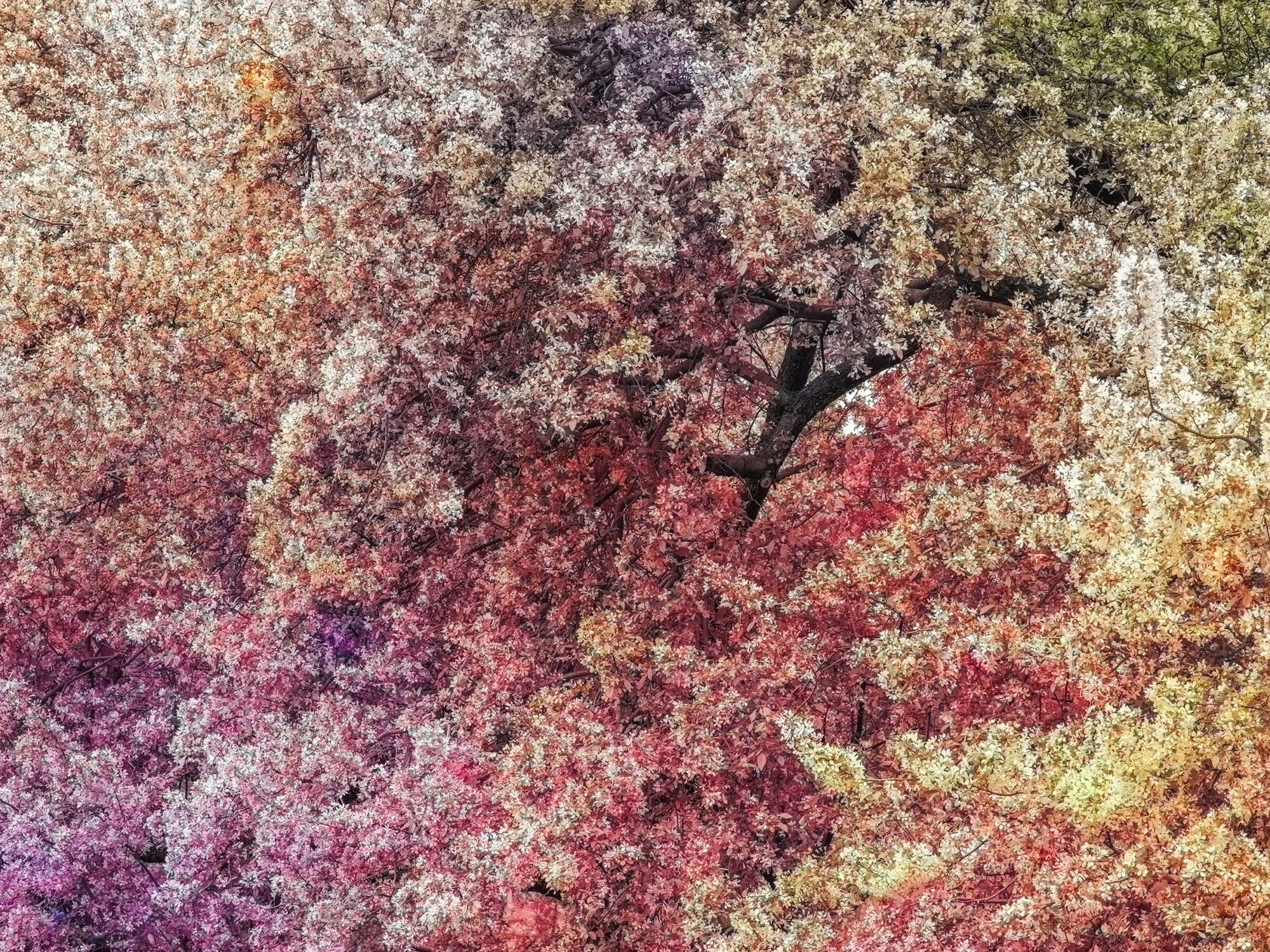
Numerous institutions around the globe have presented Paglen's works in both solo and group exhibitions. Solo exhibitions by Paglen include: Smithsonian American Art Museum (2018-2019); Museum of Contemporary Art San Diego (2019); Barbican Centre, London (2019-2020); Carnegie Museum of Art, Pittsburgh (2020-2021); San José Museum of Art (2021); Neuer Berliner Kunstverein (2023); Fondazione Prada, Milan; Tate Modern, London; et al.
Paglen has also participated in group exhibitions at: San Francisco Museum of Modern Art (2009, 2010, 2018); Tate Modern, London (2010); Metropolitan Museum of Art, New York (2011); Museo Nacional Centro de Arte Reina Sofía, Madrid (2014); Des Moines Art Center (2026); Kunsthaus Hamburg (2025); Museu de Arte de São Paulo (2025); Contemporary Art Centre, Vilnius (2025), and many others.
His work is held in the following collections: Guggenheim, New York; Baltimore Museum of Art; Cantor Arts Center at Stanford University, Palo Alto; Dallas Museum of Art; Metropolitan Museum of Art, New York; Museum of Fine Arts Boston; Museum of Fine Arts Houston; Museum of Modern Art, New York; San Francisco Museum of Modern Art; Thoma Foundation, Dallas; Whitney Museum of American Art, New York, among many others.
For his explorations of the outer limits of visibility, conducted through investigation utilizing methods at the intersection of image-making, sculpture, investigative journalism, writing, engineering, and numerous other disciplines, Paglen has received a number of prestigious prizes, awards and fellowships.
These recognitions include: Pioneer Award from the Electronic Frontier Foundation (2014); Cultural Award from the German Society for Photography (2015); Deutsche Börse Photography Foundation Prize (2016); MacArthur Fellowship (2017); Nam June Paik Art Center Prize (2018).
In March 2026, Trevor Paglen joined a select group of artists who have received the LG x Guggenheim Award, which is part of the LG Guggenheim Art and Technology Initiative, a five-year program that honors and promotes artists whose practice explores the intersection of art and technology.
Paglen has engaged in many site-specific public projects in the past. Prominent among these are The Last Pictures (2013), a work containing a micro-etched disc with 100 photographs sent into geostationary orbit around Earth via the communications satellite EchoStar XVI; also Trinity Cube (2015), a radioactive public sculpture made from material collected within the exclusion zone in Fukushima, Japan, and from Trinitite, the radioactive material gathered at the Trinity Site in New Mexico. In Training Humans (2018-2019), a collaborative project created with Kate Crawford, they explored and exposed the multitude of images used to train Artificial Intelligence systems since the 1960s.
Paglen has, over the course of his career, published a series of books in which he has addressed a variety of topics, ranging from the CIA's extraordinary rendition program to an overview of the world of black projects through unit patches and memorabilia created for these top-secret programs. His most recent publication is How to See Like a Machine: Images after AI, in which he takes a critical look at how computer vision and the advent of generative AI in the 21st century revolutionized our relationship with images.
Paglen has a site, as well as an Instagram account where he regularly posts about his activities. He is represented by Jessica Silverman Gallery in San Francisco and Pace Gallery in New York.